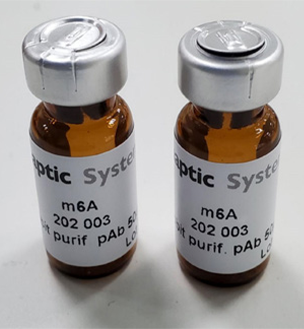
The protein encoded by the classic MBP gene is a major constituent of the myelin sheath of oligodendrocytes and Schwann cells in the nervous system. However, MBP-related transcripts are also present in the bone marrow and the immune system. These mRNAs arise from the long MBP gene (otherwise called "Golli-MBP") that contains 3 additional exons located upstream of the classic MBP exons. Alternative splicing from the Golli and the MBP transcription start sites gives rise to 2 sets of MBP-related transcripts and gene products. The Golli mRNAs contain 3 exons unique to Golli-MBP, spliced in-frame to 1 or more MBP exons. They encode hybrid proteins that have N-terminal Golli aa sequence linked to MBP aa sequence. The second family of transcripts contain only MBP exons and produce the well characterized myelin basic proteins. This complex gene structure is conserved among species suggesting that the MBP transcription unit is an integral part of the Golli transcription unit and that this arrangement is important for the function and/or regulation of these genes. MBP has a role in both the formation and the stabilization of this compact multilayer arrangement of bilayers. In vitro, MBP is suitable as a substrate for numerous protein kinases, including the ERK and p38 MAP kinases that phosphorylate MBP at T98.
应用类型
Enzyme-linked immunosorbent assay|Flow cytometry|Immunohistochemistry|Immunoprecipitation|Western blot
免疫原
A synthetic peptide with a phosphorylation site at Threonine 98. This sequence is identical among human, rat, mouse.
来源宿主
Rabbit
反应性
该Anti-MBP 抗体 (Phospho-T98)的反应性请参考该产品的说明书
保存建议
The antibodies are stable for 24 months from date of receipt when stored at -20C to -70C. The antibodies can be stored at 2C-8C for three month without detectable loss of activity. Avoid repeated freezing-thawing cycles.
其他
Aviva Systems Biology总部位于加利福尼亚州圣迭戈,在中国北京设有办公室,专注于为研究需求提供多克隆和单克隆抗体、ELISA试剂盒、蛋白质和定制服务。Aviva Systems Biology生产了24,000种经过验证的多克隆抗体,并提供近20,000种ELISA试剂盒,定制实验室服务包括蛋白表达和纯化、抗体开发,以及ELISA的开发、验证和生产。Aviva Systems Biology为与独特物种和靶标相关的研究提供独特工具,研究领域包括转录因子、癌症、心血管、细胞生物学、DNA损伤和修复、表观遗传学、信号转导、细胞分化、干细胞生物学等等。