- 中文名称
Amyloid A, Serum, Human (Serum Amyloid A, SAA) BioAssay ELISA Kit
- 英文名字
- Amyloid A, Serum, Human (Serum Amyloid A, SAA) BioAssay ELISA Kit
- 供应商
- USBiological
- 产品货号
- A2275-60U
- 产品报价
- ¥1/192Tests

- 产品说明书
- 点击查看
- 购买方式
- 银行转账、电汇、支票、现金,在线支付宝及网银支付,或直接与我们电话联系400-6800-868
- 产品新闻

- 背景资料
- USBiological品牌是全球有名的抗原抗体和生化试剂供应商,生产世界上种类最多的抗体,用于Western Blot、免疫沉淀、免疫荧光、免疫组化和流式细胞术等多种检测方法。武汉艾美捷科技作为USBiological品牌中国区域总代理,是行业中少有的致力于服务客户,帮助客户,且拥有独立的专业销售团队、技术支持团队、市场营销团队、进出口报关团队的高科技生物企业。可以为您提供及时的咨询响应,专业的产品和解决方案支持,稳健快捷的交货周期,优质放心的售后服务。我们致力于为您提供有价值的产品和服务,在意您的成功!
- 产品描述
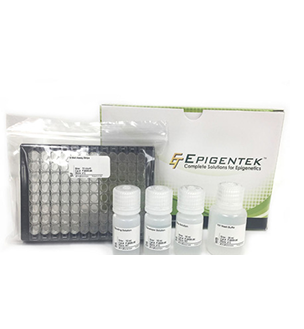
- Background:Serum amyloid A (SAA) proteins comprise a family of small (12-14kD, 104-112 amino acid residues), differentially expressed proteins that are highly conserved among vertebrates. SAA proteins are involved in the acute phase responses; these are the immediate early host responses to inflammation. During the acute phase, circulating SAA levels are increased by 100-1000 fold, reaching concentrations of up to 1mg/ml. SAAs have also been implicated in several disease states including rheumatoid arthritis, atherosclerosis, AA amyloidosis, and coronary artery disease. Liver is the major site of SAA synthesis, although extrahepatic expression has also been reported. The human SAA gene family maps to chromosome 11. In humans, four SAA genes and three protein products have been identified; human SAA1 and SAA2 are designated the acute phase SAA (A-SAA) isoforms; while, SAA4 is constitutively expressed, and SAA3 is a pseudogene. Mouse SAA gene family maps to chromosome 7. In mouse, five SAA genes and four protein products have been identified; mouse SAA1, SAA2, SAA3 are the acute phase isoforms, SAA5 is constitutively expressed, and SAA4 is a pseudogene. A-SAAs belong to a category of acute phase proteins that also includes C-reactive protein (CRP), haptoglobin, ceruloplasmin, complement components C3 and C4, a1-acid glycoprotein, a1-proteinase inhibitor, and fibrinogen. In humans, both CRP and SAA are synthesized during the acute phase; whereas, in mouse, SAA is the predominant acute phase protein. According to current models, severe physiological challenges such as tissue injury, microbial infection, surgical trauma, bone fracture, burns, and exhaustion, result in immediate inflammatory responses in the host. The role of the acute phase response is to counteract these challenges by preventing further pathogen entry, minimizing tissue damage, promoting repair, and restoring homeostasis. At the onset of the acute phase, macrophages and monocytes which are recruited to the site of inflammation, release the primary inflammatory mediators, IL-1 and TNF-alpha. These cytokines, in turn, signal the stromal cells to express secondary inflammatory mediators, IL-6, IL-8, and monocyte chemoattractant protein. Leukocytes attracted to the area produce additional cytokines. The cytokines produced at the site of injury, in particular IL-1 and IL-6, enter the plasma and provide stimuli for the liver to produce A-SAAs. Other cytokines that have been implicated in the regulation of SAA synthesis include LIF, CNTF, oncostatin M, cardiotropin, and possibly NGF. Analysis of SAA promoter regions reveals control by several transcription factors, including NF-kB, C/EBP, YY1, SAF/Sp1, and AP-2. AP-2 acts to repress transcription in non-liver tissues. NF-kB and C/EBP act synergistically to enhance transcription, while YY1 antagonizes the function of NF-kB and, therefore, serves to silence transcription. Upon synthesis, SAA is released into the bloodstream where it immediately binds the HDL particles. Binding to HDL is known to protect the SAAs from degradation by proteolytic enzymes. There are a number of important homeostatic functions associated with the circulating SAA-HDL complexes; these functions have been categorized as immune modulation, lipid transport, and anti-inflammatory. The circulating SAA is known to act as a chemoattractant and recruit additional monocytes, leukocytes, mast cells, and T lymphocytes to the site of inflammation. It also aides the tissue regeneration process by activating matrix metalloproteinases such as collagenase and strolemysin. Binding of SAA to HDL alters the reverse cholesterol transport function of HDL, allowing for the delivery of cholesterol for the site of repair. The SAA-HDL complex also serves to remove excess cholesterol released by the damaged tissue. The anti-inflammatory activities of circulating SAA include inhibition of lymphocyte cell function, inhibition of TNF- alpha and IL-1-induced fevers, and inhibition of platelet aggregation. SAA is also known to bind neutrophils, abrogate the oxidative burst response, and prevent oxidative tissue damage. Chronically elevated SAA levels are implicated in a group of protein misfolding disorders known as the amyloid A amyloidoses. These include reactive amyloidosis, caused by chronic inflammation or recurrent acute inflammation, familial Mediterranean fever, systemic AA amyloidosis, and visceral AA amyloidosis. Amyloid A amyloidoses are characterized by the deposition of insoluble plaques composed principally of proteolytically cleaved A-SAA. These plaques are primarily deposited in organ sites of inflammation and ultimately result in the degeneration of the affected organ. Despite the potential for causing fatal amyloidoses, SAAs are believed to play a protective role for the host. This hypothesis is supported by the observations that there is immediate, robust induction of SAAs in response to inflammatory signals and that SAAs are highly conserved through evolution. Intended Use:The United States Biological Human SAA ELISA Kit is to be used for the in vitro quantitative determination of human SAA in serum, plasma, buffered solution and tissue culture medium. The assay will recognize both natural and recombinant human SAA.Principle of the Method:The United States Biological Human SAA Kit is a solid phase sandwich Enzyme Linked Immuno-Sorbent Assay (ELISA). A highly purified monoclonal antibody against Human SAA has been coated onto the wells of the microtiter strips provided. During the first incubation, standards of known human SAA content, controls, and unknown samples are pipetted into the coated wells, followed by the addition of biotinylated secondary monoclonal antibody. After washing, Streptavidin-Peroxidase (enzyme) is added. This binds to the biotinylated antibody to complete the four-member sandwich. After a second incubation and washing to remove all the unbound enzyme, a substrate solution is added which is acted upon by the bound enzyme to produce color. The intensity of this colored product is directly proportional to the concentration of human SAA present in the original specimen.Specifications:Sensitivity: <4ng/mlRange: 9.4-600ng/mlIncubation Time: 3 hours.Simple: Pre-coated strip-well plates.Liquid stable conjugate, chromogen and stop reagents.Sample size: 50ul (1:1000 dilution).Economical: Two 96-well plates, plus reagents for 192 determinations.Reagents are stable for multiple runs.Versatile: Serum, plasma, cell culture medium or buffered solutions.Kit Components:*A2275-60U1 SAA Standard, 4x600ng. Recombinant human SAA. Reconstitute with 3.83ml A2275-60U2 Standard Diluent Buffer. Once reconstituted, aliquot and store at -80°C or below. Avoid repeated freeze-thaws. A2275-60U2 Standard Diluent Buffer. 2x100ml. Contains 0.5% ProClin® 300. *A2275-60U3 Low Control, 1x1vial. Rrecombinant human SAA in tissue culture matrix, lyophilized. Reconstitute with A2275-60U2 Standard Diluent Buffer. Once reconstituted, aliquot and store at -70°C or below. Avoid repeated freeze-thaws. *A2275-60U4 High Control, 1x1vial. Recombinant human SAA in tissue culture matrix, lyophilized. Reconstitute with A2275-60U2 Standard Diluent Buffer. Once Once reconstituted, aliquot and store at -70°C or below. Avoid repeated freeze-thaws. A2275-60U5 Microtiter Plate, 2x96wells A2275-60U6 SAA (Biotin), 2x6ml. Biotin-labeled anti-human SAA. Contains 15mM sodium azide.A2275-60U7 Streptavidin (HRP) (100x), 2x125ul Contains 3.3mM thymol.A2275-60U8 HRP Diluent, 1x25ml. Contains 3.3mM thymol.A2275-60U9 Wash Buffer (25x), 1x100mlA2275-60U10 TMB, 1x25mlA2275-60U11 Stop Solution, 1x25mlStorage and Stability:Store *A2275-60U1, A2275-60U3 and A2275-60U4, powder at 4°C. Store reconstituted controls at -70°C. Do not store reconstituted standards. Store other components at 4°C. Stable for at least 6 months. For maximum recovery of product, centrifuge the original vial prior to removing the cap.
- 产品特点
- 针对Amyloid A, Serum, Human (Serum Amyloid A, SAA) BioAssay ELISA Kit该产品的特点优势,欢迎查阅官网提供的产品说明书。
- 保存建议
- 建议收到Amyloid A, Serum, Human (Serum Amyloid A, SAA) BioAssay ELISA Kit产品后将其置于4°C/-70°C保存。
- 其他
- Usbiological公司是美国著名的抗体和生化试剂供应商,生产世界上种类最多的抗体,用于Western Blot、免疫沉淀、免疫荧光、免疫组化和流式细胞术等多种检测方法。Usbiological公司现已拥有超过50,19234种抗体、抗原和生化产品,为科研用户提供了诸多超值选择。
-
- 注意
-
该页面的中文产品信息的翻译,仅供参考。准确的产品信息请以厂家的英文说明书为准。下单前,请浏览说明书确认。
-